
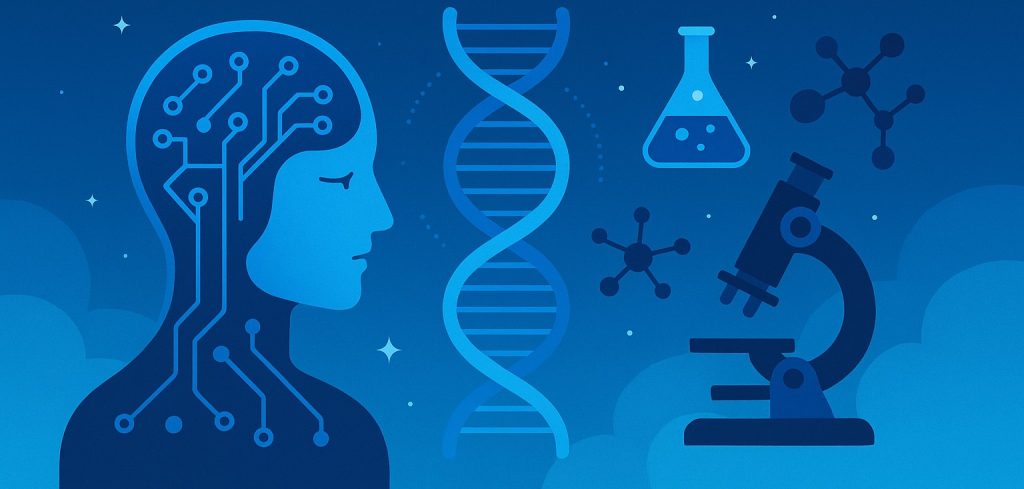

In the 21st century, science and technology are evolving at an unprecedented pace. From artificial intelligence (AI) transforming industries to biotechnology redefining medicine, the future promises breakthroughs that were once the realm of science fiction. At TopSciHub, we believe staying informed about these changes isn’t just fascinating — it’s essential.
Artificial Intelligence: Beyond Automation
AI has moved far beyond simple automation. Today, machine learning models can diagnose diseases, write articles, compose music, and even assist in scientific research. In healthcare, AI is accelerating drug discovery, while in climate science, it helps predict patterns and suggest solutions for environmental crises. Experts believe that in the next decade, AI will not just assist humans — it will collaborate with them creatively and scientifically.
Key Areas to Watch:
- AI in Healthcare: Predictive diagnostics, robotic surgery, personalized medicine.
- AI in Climate Science: Carbon footprint modeling, environmental management.
- AI in Education: Personalized learning paths, AI tutors.
Biotechnology: Engineering Life Itself
Biotechnology is another field undergoing a revolution. Techniques like CRISPR gene editing are enabling scientists to modify DNA with precision, opening doors to curing genetic diseases and even enhancing human capabilities. Meanwhile, synthetic biology allows for the creation of new organisms designed to solve global challenges, like bacteria that can clean up oil spills.
Groundbreaking Areas:
- Gene Editing: Treatments for genetic disorders and potential ‘designer babies.’
- Synthetic Biology: Bioengineered materials, biofuels, and lab-grown meat.
- Regenerative Medicine: 3D-printed organs and tissue engineering.
The Interconnected Future
Interestingly, AI and biotechnology are not developing in isolation. AI algorithms are now being used to design proteins, predict molecular behavior, and enhance genetic engineering methods. This synergy is accelerating progress across scientific fields, bringing humanity closer to solving some of its greatest challenges — from pandemics to food shortages.
Ethical Considerations
With great power comes great responsibility. Both AI and biotechnology raise profound ethical questions. How do we regulate AI decision-making? Should there be limits on genetic modification? Ensuring that these technologies benefit all of humanity — and not just a privileged few — will be one of the greatest challenges of our time.
Conclusion
The future of science is not a distant dream — it is unfolding right now. At TopSciHub, we are excited to continue exploring these developments, sparking curiosity, and providing insights that help our readers stay ahead of the curve.
Stay tuned, stay curious, and stay inspired.


Hi, this is a comment.
To get started with moderating, editing, and deleting comments, please visit the Comments screen in the dashboard.
Commenter avatars come from Gravatar.